
What Are the 10 Worst Foods for Inflammation You Must Avoid
Top Inflammatory Foods: What You Should Know for Better Health
Did you know that up to 60% of chronic diseases in Western countries are linked to inflammation, and diet plays a crucial role? While we often focus on what to eat for better health, understanding which foods that cause inflammation can be equally transformative for your wellbeing. The modern diet is packed with ingredients that silently trigger inflammatory responses, contributing to conditions ranging from arthritis to heart disease. This comprehensive guide reveals the most problematic foods and offers actionable solutions to protect your health.
Chronic inflammation has become a silent epidemic, affecting millions worldwide. Research published in major medical journals shows that dietary choices account for approximately 40% of inflammatory markers in our bodies. By identifying and limiting top inflammatory foods, you can take control of your health trajectory and potentially reduce your risk of numerous chronic conditions.
Understanding Inflammatory Foods
Before we dive into the specifics, it's essential to understand what makes certain foods inflammatory. When we consume particular ingredients, our immune system responds by releasing inflammatory compounds called cytokines. While short-term inflammation helps fight infections and heal injuries, chronic inflammation from dietary sources damages healthy tissue and accelerates aging.
The primary culprits that trigger this response include refined sugars, trans fats, processed meats, and highly refined carbohydrates. These ingredients alter gut bacteria composition, spike blood sugar levels, and produce oxidative stress—all pathways leading to systemic inflammation.
The Top Inflammatory Foods to Limit or Avoid
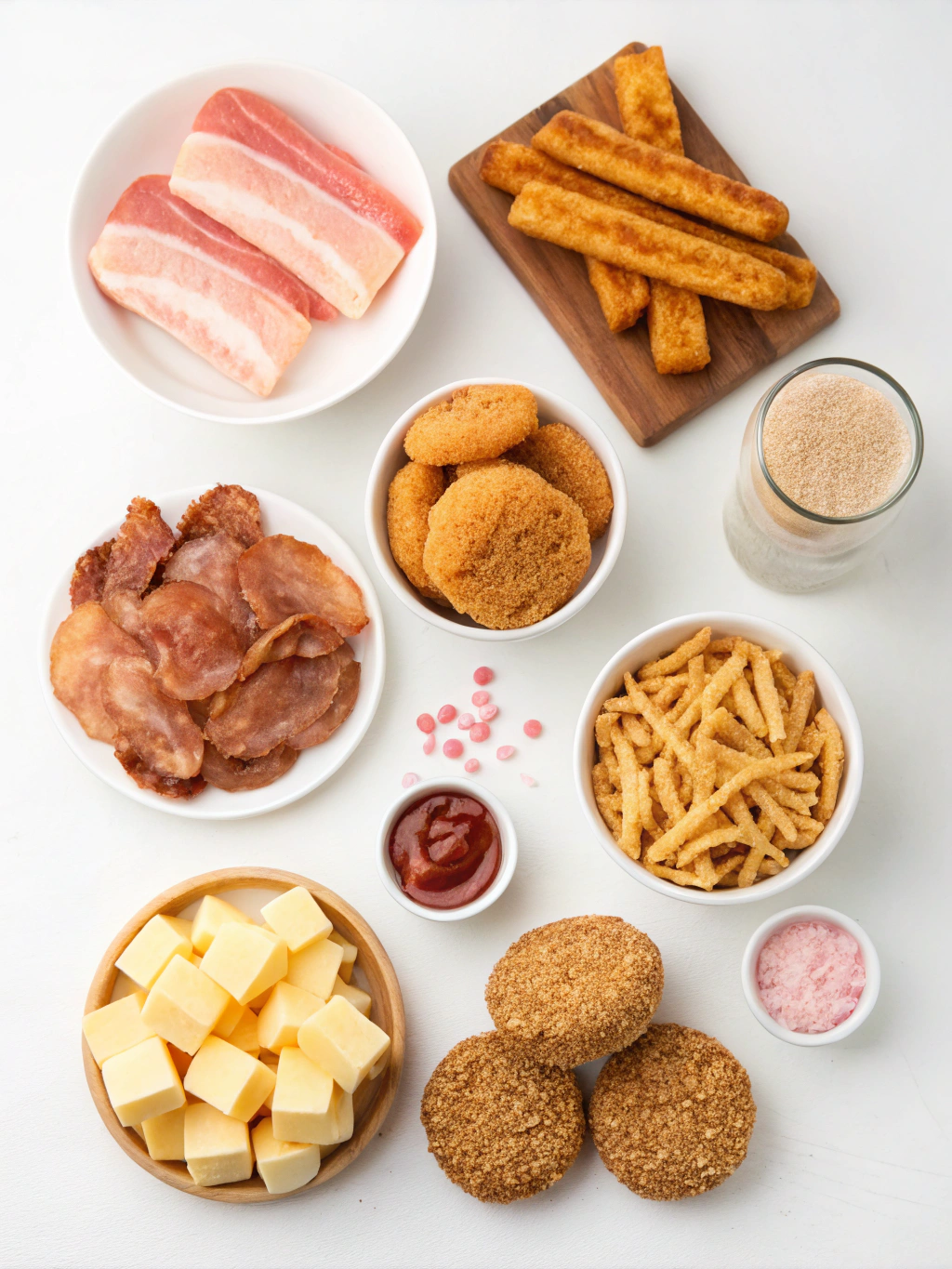
1. Refined Sugars and High-Fructose Corn Syrup
Found in sodas, candy, baked goods, and processed foods, these sweeteners trigger the release of inflammatory messengers called cytokines. Studies show that consuming just 40 grams of added sugar daily can increase inflammatory markers by up to 85%.
2. Trans Fats and Partially Hydrogenated Oils
Present in margarine, shortening, and many packaged snacks, trans fats damage the endothelial cells lining blood vessels, creating inflammation. Even small amounts (2-3 grams daily) significantly increase disease risk.
3. Processed and Red Meats
Bacon, hot dogs, sausages, and excessive red meat consumption contain high levels of advanced glycation end products (AGEs) and saturated fats that promote inflammatory responses. Research indicates that individuals consuming processed meat daily have 51% higher inflammation biomarkers.
4. Refined Carbohydrates
White bread, pastries, pasta, and many cereals lack fiber and nutrients while spiking blood sugar rapidly. This glycemic surge triggers insulin resistance and inflammatory pathways.
5. Fried Foods
Deep-fried items contain oxidized oils and acrylamides that generate free radicals, leading to cellular damage and inflammation. Regular consumption increases inflammatory markers by 30-40%.
6. Excessive Alcohol
While moderate consumption may have some benefits, exceeding 1-2 drinks daily disrupts gut barrier function, allowing inflammatory compounds to enter the bloodstream.
7. Artificial Additives and Preservatives
MSG, artificial sweeteners like aspartame, and certain food dyes have been linked to inflammatory responses in sensitive individuals.
Timing: Understanding the Impact Timeline
Immediate Response (30 minutes - 2 hours): After consuming inflammatory foods, blood sugar spikes and inflammatory markers begin rising.
Short-term Impact (2-24 hours): Cytokine production peaks, potentially causing joint stiffness, brain fog, and digestive discomfort.
Long-term Effects (Weeks to Years): Consistent consumption of foods that cause inflammation leads to chronic health conditions including cardiovascular disease, type 2 diabetes, and autoimmune disorders.
Studies show that reducing inflammatory food intake produces noticeable improvements in just 2-3 weeks, with significant biomarker changes visible within 6-8 weeks.
Step-by-Step: Making the Transition

Step 1: Conduct a Kitchen Audit
Review your pantry and refrigerator, identifying products containing refined sugars, trans fats, or excessive additives. Read labels carefully—inflammatory ingredients often hide under different names like "partially hydrogenated oils" or "high-fructose corn syrup."
Step 2: Eliminate the Worst Offenders First
Start by removing trans fats and reducing processed meat consumption. These changes deliver the most significant anti-inflammatory benefits with relatively minimal lifestyle disruption.
Step 3: Replace Strategically
Swap white bread for whole grain alternatives, replace sugary snacks with fruits and nuts, and choose olive oil or avocado oil instead of vegetable oils for cooking. This substitution approach makes the transition more sustainable.
Step 4: Increase Anti-Inflammatory Foods
Incorporate more fatty fish (salmon, sardines), colorful vegetables, berries, nuts, and spices like turmeric and ginger. These foods actively counteract inflammation through omega-3 fatty acids, antioxidants, and polyphenols.
Step 5: Monitor Your Progress
Keep a food and symptom journal for 4 weeks, noting energy levels, joint comfort, digestive health, and mood. Most people notice improvements within 2-3 weeks when consistently avoiding top inflammatory foods.
Step 6: Make It Sustainable
Plan meals ahead, prep ingredients on weekends, and keep anti-inflammatory snacks readily available. Sustainability comes from preparation and having delicious alternatives accessible.
Nutritional Information: What the Data Shows
Research from the Nurses' Health Study following over 120,000 participants for 30 years revealed striking patterns:
Inflammation Markers: Individuals consuming high amounts of inflammatory foods showed C-reactive protein (CRP) levels 2-3 times higher than those following anti-inflammatory diets.
Disease Risk: High inflammatory diet scores correlated with 38% increased cardiovascular disease risk and 46% higher colorectal cancer risk.
Weight Management: Inflammatory foods contribute to weight gain through multiple pathways, with participants consuming them regularly gaining an average of 3.35 pounds more per year.
Metabolic Impact: Regular consumption of refined carbohydrates and sugars increases insulin resistance by 40-60%, creating a vicious cycle of inflammation and metabolic dysfunction.
Healthier Alternatives for Common Inflammatory Foods
Instead of Sugary Cereals: Choose steel-cut oats topped with berries, chia seeds, and a drizzle of raw honey.
Instead of Processed Deli Meats: Opt for grilled chicken breast, wild-caught salmon, or plant-based proteins like lentils and chickpeas.
Instead of White Rice: Select quinoa, brown rice, or cauliflower rice for more nutrients and fiber without the glycemic spike.
Instead of Fried Snacks: Enjoy air-fried vegetables, roasted chickpeas, or raw nuts and seeds for satisfying crunch.
Instead of Soda: Drink sparkling water with fresh fruit, herbal teas, or kombucha for gut-friendly benefits.
Instead of Commercial Salad Dressings: Make your own using extra virgin olive oil, apple cider vinegar, herbs, and spices.
These swaps maintain satisfaction while dramatically reducing inflammatory impact. Many people report that after 2-3 weeks, they actually prefer these healthier alternatives.
Serving Suggestions: Building Anti-Inflammatory Meals
Creating balanced, anti-inflammatory meals doesn't require complexity. Follow this simple formula:
The Power Plate Method:
- 50% colorful vegetables (aim for 3+ colors)
- 25% clean protein (fish, poultry, legumes)
- 25% whole grains or starchy vegetables
- Healthy fat source (olive oil, avocado, nuts)
- Anti-inflammatory herbs and spices
Breakfast Ideas:
Smoothie bowl with spinach, berries, flaxseed, and almond butter; or veggie-packed omelet with avocado and whole grain toast.
Lunch Concepts:
Mediterranean-style salad with mixed greens, grilled fish, olives, tomatoes, and olive oil dressing; or quinoa bowl with roasted vegetables and tahini sauce.
Dinner Options:
Baked salmon with roasted Brussels sprouts and sweet potato; or stir-fried tofu with broccoli, bok choy, and brown rice.
Snack Strategies:
Apple slices with almond butter, vegetable sticks with hummus, or a small handful of walnuts with dark chocolate.
Common Mistakes to Avoid
Mistake #1: Going Too Extreme Too Quickly
Eliminating all enjoyable foods simultaneously often leads to frustration and abandonment. Research shows that gradual changes (removing 1-2 inflammatory food categories every 2 weeks) have 73% better adherence rates.
Mistake #2: Not Reading Labels Carefully
Many "health foods" contain hidden inflammatory ingredients. Products labeled "natural" or "multigrain" may still contain refined flours, added sugars, or inflammatory oils.
Mistake #3: Forgetting About Cooking Methods
Even healthy ingredients become inflammatory when deep-fried or charred excessively. Opt for baking, steaming, sautéing, or grilling at moderate temperatures.
Mistake #4: Inadequate Meal Planning
Without preparation, you're more likely to reach for convenient inflammatory options when hungry. Dedicating 2 hours weekly to meal prep increases success rates by 65%.
Mistake #5: Ignoring Individual Responses
While certain foods are universally inflammatory, individual sensitivities vary. Foods like nightshades, dairy, or gluten may be problematic for some but fine for others. Pay attention to your body's signals.
Mistake #6: Not Compensating for Nutrient Needs
When eliminating food groups, ensure you're meeting nutritional requirements through other sources or quality supplements. Consult with healthcare providers when making significant dietary changes.
Storing Tips for Anti-Inflammatory Ingredients
Fresh Produce:
Store leafy greens wrapped in paper towels inside sealed containers to extend freshness by 4-7 days. Keep berries unwashed until use, and store in single layers to prevent mold.
Healthy Fats:
Olive oil maintains quality for 18-24 months when stored in a cool, dark place. Nuts and seeds stay fresh for 3-6 months in the pantry but last up to a year in the refrigerator.
Cooked Whole Grains:
Prepare large batches and store in airtight containers in the refrigerator for up to 5 days, or freeze in portion-sized amounts for up to 3 months.
Batch-Cooked Proteins:
Grilled chicken, baked fish, or cooked legumes keep well for 3-4 days refrigerated. Freeze individual portions for convenient anti-inflammatory meals.
Pre-Cut Vegetables:
While less ideal than whole vegetables, pre-cutting saves time. Store in airtight containers with a damp paper towel for 3-4 days maximum.
Herbs and Spices:
Fresh herbs last longer when stems are placed in water (like flowers) and covered loosely with a plastic bag. Anti-inflammatory spices like turmeric retain potency for 2-3 years when stored properly.
Conclusion
Understanding and limiting foods that cause inflammation represents one of the most powerful steps you can take toward optimal health. The scientific evidence is overwhelming: dietary choices directly influence inflammatory processes that underlie most chronic diseases. By identifying top inflammatory foods and systematically replacing them with anti-inflammatory alternatives, you're investing in longevity, vitality, and disease prevention.
The transition doesn't require perfection—even reducing inflammatory food consumption by 50% produces measurable health benefits. Start with small, sustainable changes, celebrate progress, and remember that every anti-inflammatory meal contributes to your long-term wellbeing.
Ready to take action? Begin your anti-inflammatory journey today by identifying just one inflammatory food to eliminate this week. Share your experience in the comments below, and explore our collection of quick, delicious anti-inflammatory recipes designed for busy lifestyles. Your body will thank you with increased energy, better focus, and improved overall health.
FAQs
Q: How long does it take to see results from eliminating inflammatory foods?
A: Most people notice initial improvements in energy levels and digestive comfort within 7-10 days. Significant changes in inflammatory biomarkers typically appear within 6-8 weeks, while chronic condition improvements may take 3-6 months of consistent dietary changes.
Q: Are all processed foods inflammatory?
A: Not all processed foods are equally inflammatory. Minimally processed items like frozen vegetables, canned beans (without added sugars), or plain yogurt can be healthy choices. Focus on avoiding ultra-processed foods with long ingredient lists containing refined sugars, trans fats, and artificial additives.
Q: Can I ever eat inflammatory foods again?
A: The 80/20 principle works well for most people—eating anti-inflammatory foods 80% of the time while allowing occasional treats. Once inflammation is controlled, small amounts of previously problematic foods may be tolerated without significant impact, though individual responses vary.
Q: What's the single most inflammatory food to avoid?
A: If you could eliminate only one category, trans fats and partially hydrogenated oils would provide the greatest health benefit. These artificial fats have no nutritional value and consistently produce inflammatory responses with no safe consumption level.
Q: Do inflammatory foods affect mental health?
A: Yes, emerging research shows strong connections between inflammatory diets and mental health conditions. Studies indicate that high inflammatory food consumption increases depression risk by 40-50% and affects cognitive function through neuroinflammation pathways.
Q: Are nightshade vegetables inflammatory for everyone?
A: Nightshades (tomatoes, peppers, eggplants, potatoes) contain compounds that trigger inflammation in some individuals, particularly those with autoimmune conditions. However, they're generally anti-inflammatory for most people due to their antioxidant content. Try an elimination test if you suspect sensitivity.
Q: How do I manage social situations and dining out?
A: Preview menus online when possible, don't hesitate to ask questions about ingredients and preparation methods, and focus on grilled or baked proteins with vegetable sides. Most restaurants accommodate requests for olive oil instead of butter or dressings on the side.
Q: Can supplements replace an anti-inflammatory diet?
A: While supplements like omega-3s, curcumin, or vitamin D can support anti-inflammatory efforts, they cannot compensate for a poor diet. The synergistic effects of whole foods, combined with their fiber and diverse nutrient content, provide benefits that isolated supplements cannot replicate.


Leave a Comment