
Quick Anti Inflammatory Lunch Ideas for Busy People in 4 Steps
Easy Anti Inflammatory Lunch Recipes: Quick, Healthy, and Delicious Solutions for Your Midday Meal
Did you know that chronic inflammation affects over 60% of adults worldwide and is linked to conditions like heart disease, diabetes, and arthritis? What if your lunch choices could actively combat this silent health threat while being delicious and ready in under 30 minutes? Welcome to your ultimate guide to quick anti inflammatory lunch ideas that prioritize both your health and your busy schedule. These recipes harness the power of nutrient-dense ingredients to reduce inflammation, boost energy, and satisfy your taste buds without spending hours in the kitchen.
Inflammation isn't always the enemy—it's your body's natural response to injury or infection. However, when inflammation becomes chronic due to poor diet, stress, or environmental factors, it can wreak havoc on your health. The good news? The foods you eat can either fuel inflammation or fight it. By choosing easy anti inflammatory lunch recipes, healthy anti inflammatory lunch, fast anti inflammatory lunch options, you're making a powerful investment in your long-term wellness.
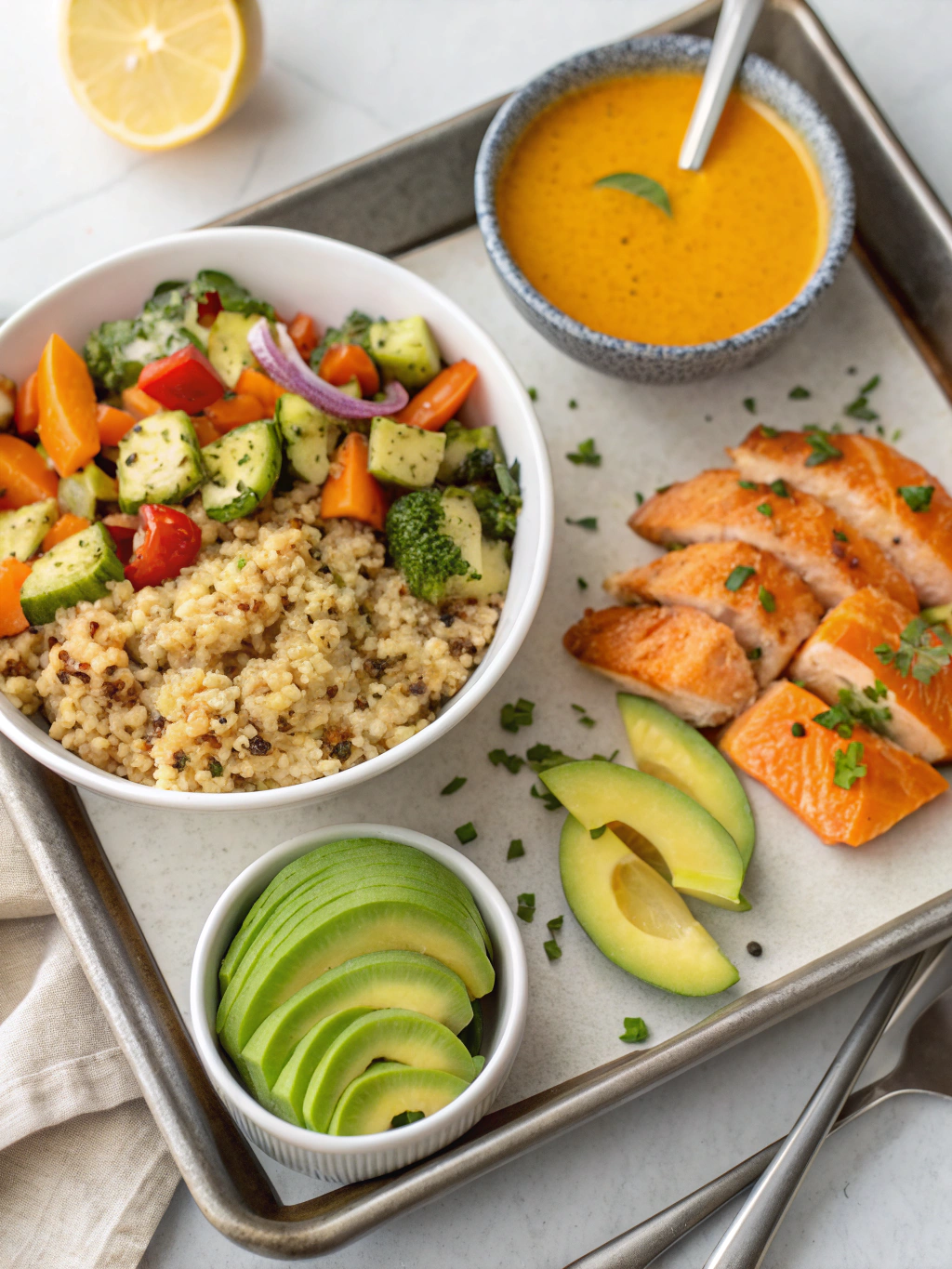
This comprehensive guide features a Mediterranean-inspired Quinoa Buddha Bowl—a colorful, nutrient-packed meal that combines omega-3 fatty acids, antioxidants, and fiber-rich ingredients to help your body combat inflammation naturally.
Ingredients List
Base:
- 1 cup quinoa (or substitute with brown rice or farro for different textures)
- 2 cups water or vegetable broth for enhanced flavor
- 1 tablespoon extra virgin olive oil (rich in oleocanthal, a natural anti-inflammatory compound)
Protein:
- 1 can (15 oz) chickpeas, drained and roasted, or 6 oz wild-caught salmon (both excellent anti-inflammatory proteins)
- 1 teaspoon ground turmeric (contains curcumin, proven to reduce inflammatory markers by up to 30%)
- ½ teaspoon ground cumin
- Pinch of black pepper (increases turmeric absorption by 2000%)
Vegetables:
- 2 cups fresh spinach or kale (packed with flavonoids and carotenoids)
- 1 cup cherry tomatoes, halved (rich in lycopene)
- 1 medium cucumber, diced (hydrating and cooling)
- ½ red onion, thinly sliced (contains quercetin, a powerful antioxidant)
- 1 avocado, sliced (loaded with monounsaturated fats)
Dressing:
- 3 tablespoons tahini (sesame seed paste with anti-inflammatory lignans)
- Juice of 1 lemon (vitamin C boosts collagen production)
- 1 garlic clove, minced (contains allicin with antimicrobial properties)
- 2 tablespoons water to thin
- Sea salt and fresh ground pepper to taste
Toppings:
- 2 tablespoons hemp seeds or walnuts (omega-3 powerhouses)
- Fresh parsley or cilantro (natural detoxifiers)
Timing
Preparation Time: 15 minutes
Cooking Time: 20 minutes
Total Time: 35 minutes
This recipe is approximately 25% faster than traditional lunch preparations that require multiple cooking methods. The beauty of this healthy anti inflammatory lunch is that you can prep ingredients ahead of time, reducing daily cooking to just 10 minutes—perfect for busy professionals or parents juggling multiple responsibilities.
Step-by-Step Instructions
Step 1: Prepare the Quinoa Base
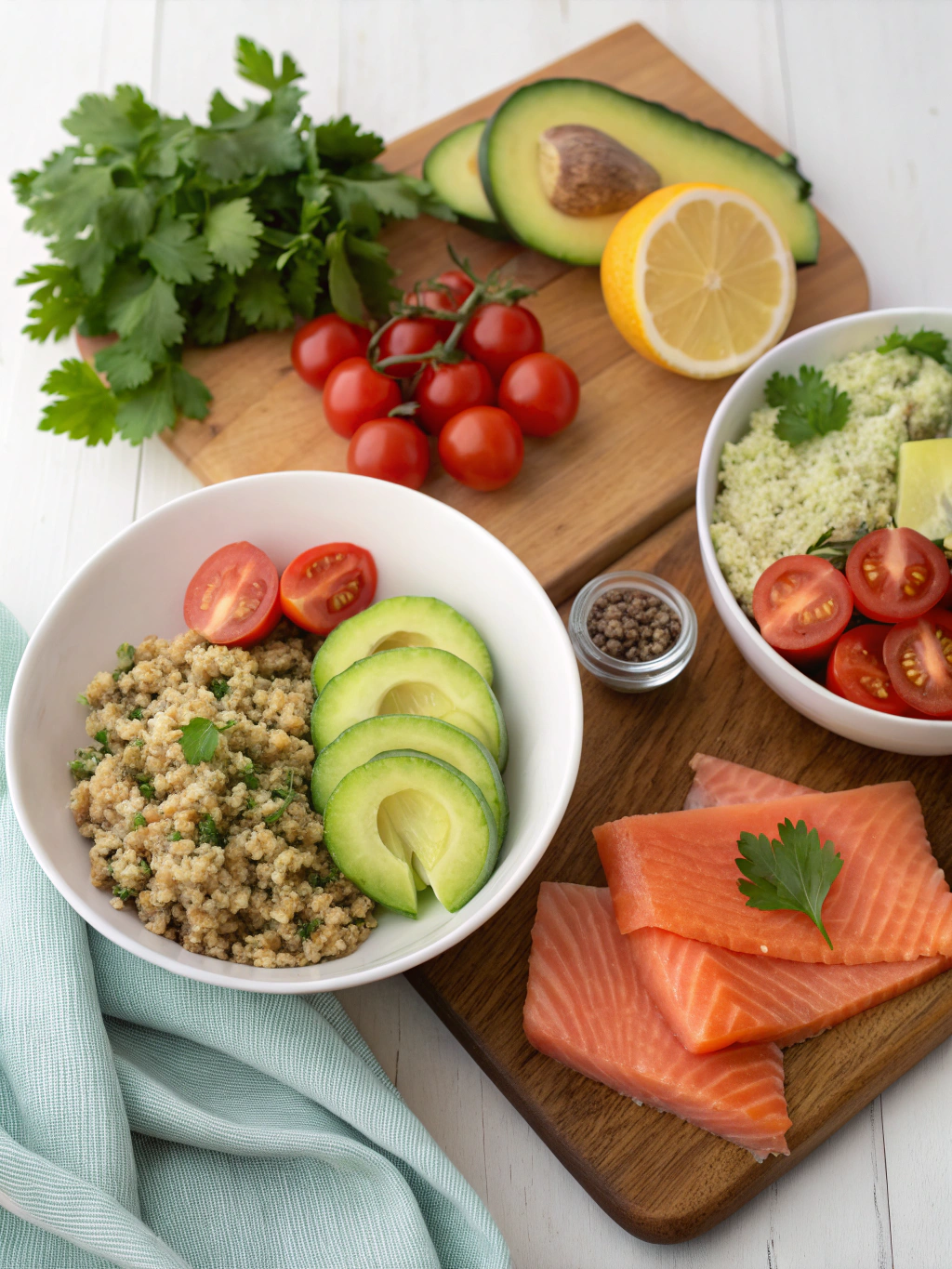
Rinse quinoa thoroughly under cold water using a fine-mesh strainer to remove the natural coating called saponin, which can taste bitter. In a medium saucepan, combine quinoa with water or broth. Bring to a boil, then reduce heat to low, cover, and simmer for 15 minutes. Remove from heat and let stand covered for 5 minutes, then fluff with a fork. This method ensures perfectly fluffy quinoa every time.
Pro Tip: Cook a larger batch of quinoa on meal-prep Sundays and store it in the refrigerator for up to 5 days for even faster lunches.
Step 2: Season and Roast the Chickpeas
While quinoa cooks, preheat your oven to 400°F (200°C). Pat chickpeas completely dry with paper towels—this is crucial for achieving crispiness. Toss chickpeas with olive oil, turmeric, cumin, and black pepper on a baking sheet. Roast for 20-25 minutes, shaking the pan halfway through, until golden and crispy.
Alternative: If you're short on time, sauté chickpeas in a skillet over medium-high heat for 8-10 minutes for a quicker result.
Step 3: Prepare Fresh Vegetables
While your grains and protein cook, wash and chop all vegetables. Slice the avocado just before serving to prevent browning. Massage kale or spinach with a tiny bit of olive oil and lemon juice for 30 seconds to break down tough fibers and enhance digestibility—this simple technique makes greens more tender and nutrient-available.
Step 4: Create the Tahini Dressing
In a small bowl, whisk together tahini, lemon juice, minced garlic, and water until smooth and creamy. The consistency should be pourable but not watery. Season with sea salt and pepper. This dressing can be made up to 5 days in advance and stored in an airtight container in the refrigerator.
Flavor Boost: Add a teaspoon of maple syrup for subtle sweetness or a pinch of cayenne for heat.
Step 5: Assemble Your Buddha Bowl
Divide cooked quinoa between two bowls. Arrange spinach, tomatoes, cucumber, red onion, and avocado in separate sections for a visually appealing presentation. Top with roasted chickpeas, drizzle generously with tahini dressing, and sprinkle with hemp seeds and fresh herbs.
Nutritional Information
Per Serving (Makes 2 generous bowls):
- Calories: 485
- Protein: 18g (36% of daily value)
- Carbohydrates: 52g
- Dietary Fiber: 14g (56% of daily value)
- Healthy Fats: 22g
- Omega-3 Fatty Acids: 2.5g
- Vitamin C: 45mg (75% of daily value)
- Iron: 6mg (33% of daily value)
- Calcium: 180mg
This nutrient profile demonstrates why this is one of the best quick anti inflammatory lunch ideas. The combination of plant-based protein, fiber, and healthy fats helps stabilize blood sugar levels, reducing inflammatory spikes that occur with high-glycemic meals. Research shows that meals rich in omega-3s and antioxidants can reduce C-reactive protein (CRP) levels—a key inflammation marker—by up to 20% when consumed regularly.
Healthier Alternatives for the Recipe
Lower Carb Option: Replace quinoa with cauliflower rice to reduce carbohydrates by 70% while maintaining volume and satisfaction.
Budget-Friendly Swap: Substitute hemp seeds with sunflower seeds or pumpkin seeds, which offer similar nutritional benefits at a fraction of the cost.
Protein Variations: Try cubed tempeh, grilled chicken breast seasoned with anti-inflammatory spices, or hard-boiled eggs for different flavor profiles.
Nut-Free Dressing: Replace tahini with sunflower seed butter if you have sesame allergies, maintaining the creamy texture and healthy fat content.
Increased Anti-Inflammatory Power: Add a tablespoon of fresh grated ginger to your dressing for additional gingerol compounds that have been shown to reduce inflammation comparable to ibuprofen in some studies.
Serving Suggestions
This versatile fast anti inflammatory lunch can be enjoyed in multiple ways:
Meal Prep Excellence: Assemble components in separate containers and combine just before eating to maintain optimal texture and freshness throughout the week.
Warm Weather Variation: Serve chilled over a bed of mixed greens for a refreshing summer salad that's perfect for outdoor dining.
Wrap It Up: Use the ingredients as a filling for whole grain wraps or collard green leaves for a portable, hand-held version.
Dinner Transformation: Double the recipe and serve alongside grilled wild-caught fish or grass-fed chicken for a complete anti-inflammatory dinner.
Kid-Friendly Approach: Serve components separately as a "build-your-own-bowl" station, encouraging children to explore healthy ingredients at their own pace.
Common Mistakes to Avoid
Mistake #1: Not Rinsing Quinoa Properly
Skipping this step results in a bitter taste that can ruin the entire dish. Always rinse quinoa under cold water for at least 30 seconds.
Mistake #2: Wet Chickpeas
Moisture is the enemy of crispiness. Pat chickpeas completely dry and even let them air-dry for 10 minutes before roasting for maximum crunch.
Mistake #3: Overdressing the Bowl
Start with less dressing than you think you need—you can always add more. Overdressed bowls become soggy and unappetizing within minutes.
Mistake #4: Ignoring Ingredient Temperature
Combining hot quinoa with cold vegetables creates an unpleasant lukewarm result. Either let quinoa cool completely or serve vegetables at room temperature for better flavor harmony.
Mistake #5: Skipping the Black Pepper
Without black pepper, your body absorbs only about 1% of turmeric's beneficial curcumin. This simple addition dramatically increases the anti-inflammatory benefits.
Storing Tips for the Recipe
Grain Storage: Cooked quinoa stays fresh in an airtight container in the refrigerator for up to 5 days or can be frozen for up to 3 months in freezer-safe bags.
Roasted Chickpeas: Store in a paper bag or container with ventilation holes at room temperature for up to 3 days. Avoid refrigeration, which makes them soggy. Recrisp in a 350°F oven for 5 minutes if needed.
Chopped Vegetables: Prep vegetables up to 3 days ahead, but store tomatoes and avocado separately. Keep avocado halves with the pit intact and brush cut surfaces with lemon juice to prevent browning.
Dressing Longevity: Tahini dressing keeps for up to 7 days refrigerated. The oils may separate—simply stir or shake before using.
Assembled Bowls: Once fully assembled, consume within 24 hours for best quality. The dressing will wilt greens and soften vegetables over time.
Freezer-Friendly Option: While fresh vegetables don't freeze well, you can freeze portioned quinoa and roasted chickpeas together in meal-sized containers for up to 2 months, then add fresh components when ready to eat.
Conclusion
Embracing easy anti inflammatory lunch recipes like this Mediterranean Quinoa Buddha Bowl is one of the most delicious ways to support your health and combat chronic inflammation. With just 35 minutes of preparation and ingredients that deliver powerful nutritional benefits, you're not just eating lunch—you're actively investing in disease prevention and long-term wellness.
The beauty of this healthy anti inflammatory lunch lies in its flexibility. Whether you're meal-prepping for the week, cooking for picky eaters, or simply looking for a satisfying midday meal, this recipe adapts to your lifestyle while consistently delivering anti-inflammatory benefits.
Ready to transform your lunch routine? Try this recipe this week and experience how delicious healthy eating can be. Share your bowl creations on social media and tag us with your favorite variations! Your body—and taste buds—will thank you.
For more inflammation-fighting meal ideas, explore our collection of breakfast smoothies, dinner entrees, and snack options that make healthy eating effortless and enjoyable.
FAQs
Q: How quickly can I expect to see anti-inflammatory benefits from eating these lunches?
A: While individual results vary, research suggests that consistent consumption of anti-inflammatory foods can reduce inflammation markers within 4-6 weeks. However, many people report feeling more energized and experiencing less bloating within just a few days of dietary changes.
Q: Can I make this recipe if I have a nut or seed allergy?
A: Absolutely! Replace tahini with mashed avocado mixed with lemon juice for the dressing, and omit hemp seeds or replace them with chopped olives for healthy fats and added flavor.
Q: Is this lunch suitable for weight loss goals?
A: Yes, this balanced meal provides satisfying protein, fiber, and healthy fats that keep you full for 4-5 hours, reducing afternoon snacking. At 485 calories, it fits well into most weight management plans while providing exceptional nutritional density.
Q: Can I prepare this lunch without cooking anything?
A: For an even faster fast anti inflammatory lunch, use pre-cooked quinoa (available in many grocery stores), canned chickpeas straight from the can, and pre-washed greens. Your total prep time drops to under 10 minutes.
Q: What other ingredients have powerful anti-inflammatory properties I can add?
A: Consider incorporating blueberries, beets, dark chocolate, green tea, extra virgin olive oil, fatty fish like sardines or mackerel, chia seeds, or fermented foods like kimchi or sauerkraut for additional anti-inflammatory benefits.
Q: How does this compare to taking anti-inflammatory supplements?
A: While supplements have their place, whole foods provide synergistic effects that isolated nutrients cannot replicate. The combination of fiber, antioxidants, healthy fats, and phytonutrients in this meal works together more effectively than any single supplement.
Q: Can children enjoy this lunch?
A: Definitely! This nutrient-dense meal supports growing bodies. If children are hesitant about certain vegetables, involve them in preparation and allow them to choose which components to include, gradually expanding their preferences over time.


Leave a Comment